|
|
| Home | Index | Museums | Blog | Authors | Site Map | About |
|
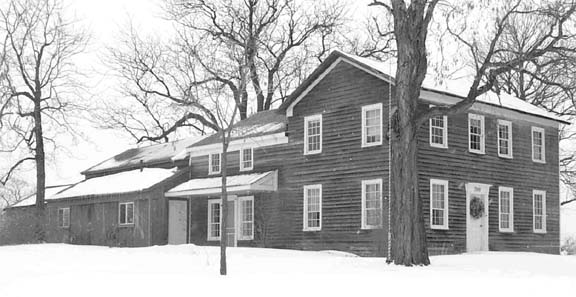
Stories of Mt. WashingtonParting ThoughtsbyMartha and Bill TreichlerTable of ContentsChapter 6Over the years we have lived on Mt. Washington we have learned more and more about the families who lived on our farm and built the house and barns. As much as we heard from descendants and neighbors, we always wanted to know more about the people who settled this unusual and beautiful area. Our own romance with Mt. Washington began on Labor Day afternoon in 1970, when we followed Strout Realtor Warren Haag north from Bath on Route 54, then up Routes 87 and 113 to the T intersection of Longwell Road and Van Amburg Road. Shortly after we had followed him right, and had passed the wooded area on the left, Warren moved his head to indicate that the Gardner property he had brought us to see began here. As we drove on, the road climbed until we could look across a field and see hills and valleys far to the east. We were on top of the ridge of Mt. Washington, and here we learned later, was a secondary continental divide. Precipitation on the east side flowed into streams that fed the Conhocton, Susquehanna, Chesapeake Bay system, and rain falling on the west side ran toward Keuka Lake and on to Seneca Lake, Seneca and Oswego Rivers, Lake Ontario and the St. Lawrence drainage. But that afternoon, we exclaimed about the spectacular views as we followed a bend in the road and came to a tall, gaunt house with most of the clapboarding missing from the south-facing gable end. The southeast corner had been smashed by a falling tree, obviously many years before. The house did not look to us as if it could be saved, so we ignored it, and spent the afternoon walking over the farm and admiring the distant horizons. We liked the location, scenic and remote. There wasn’t much likelihood of anyone building highways and starting developments here. Van Amburg was a dirt road with grass growing down the center. Shrubby crab apple trees and wild rose bushes dotted the fields that were growing mostly goldenrod. We could see that the land had not been farmed for many years. We did buy the farm, and have spent the last thirty-two years repairing and keeping up our old house, and caring for the farm. Several of our children have made homes near by. The dirt road in front of our house still has grass growing down the center every summer. Delving back into history is an open-ended job, and we have had to leave a lot of loose ends in our assembly of the stories of the early settlers on Mt. Washington for this book. There must be descendants we have not found of the many names on the old maps. But, who knows, maybe we will find them yet! On our road, Van Amburg Road, are eight foundations and cellar holes to the south of our house. We want to put a name on each of these. |